429 Ladies Mile Update July 2026
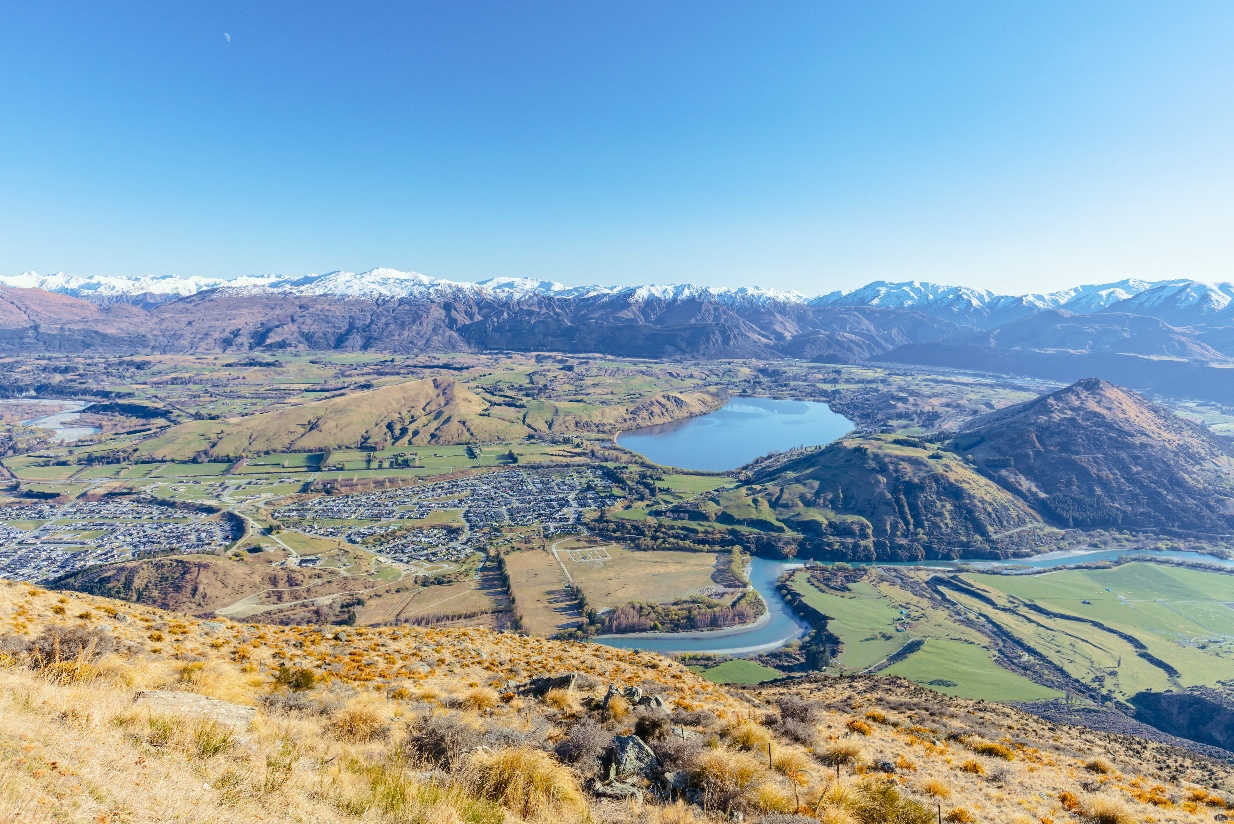
Overview
Clarke Group has prepared the following Q&A to provide more information to the community around our revised resource consent application for 429 Ladies Mile, lodged with QLDC in July 2026.
The application proposes increasing the originally consented density. Why has Clarke Group changed its plans?
Queenstown has changed, and so has the way we think about building communities.
When the original consent was approved in 2024, it reflected the planning priorities of the time. Since then, the vision for Ladies Mile has evolved into creating a thriving urban neighbourhood where more people can live closer to public transport, parks, jobs and everyday services.
The Te Pūtahi Ladies Mile Plan Change came into effect in December 2024. The planning and transport work undertaken for Ladies Mile reached a clear conclusion: if we want to reduce congestion, improve public transport and create a community where people have genuine transport choices, we need the right level of density. That's what makes regular bus services viable, encourages more people to walk and cycle, and makes the best use of the significant investment being made in infrastructure.
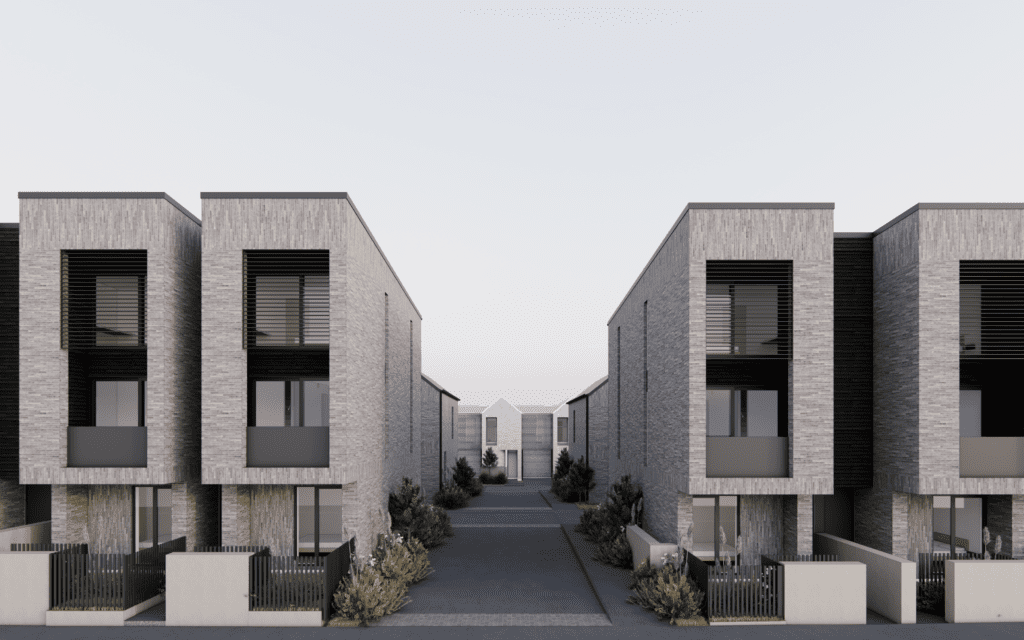
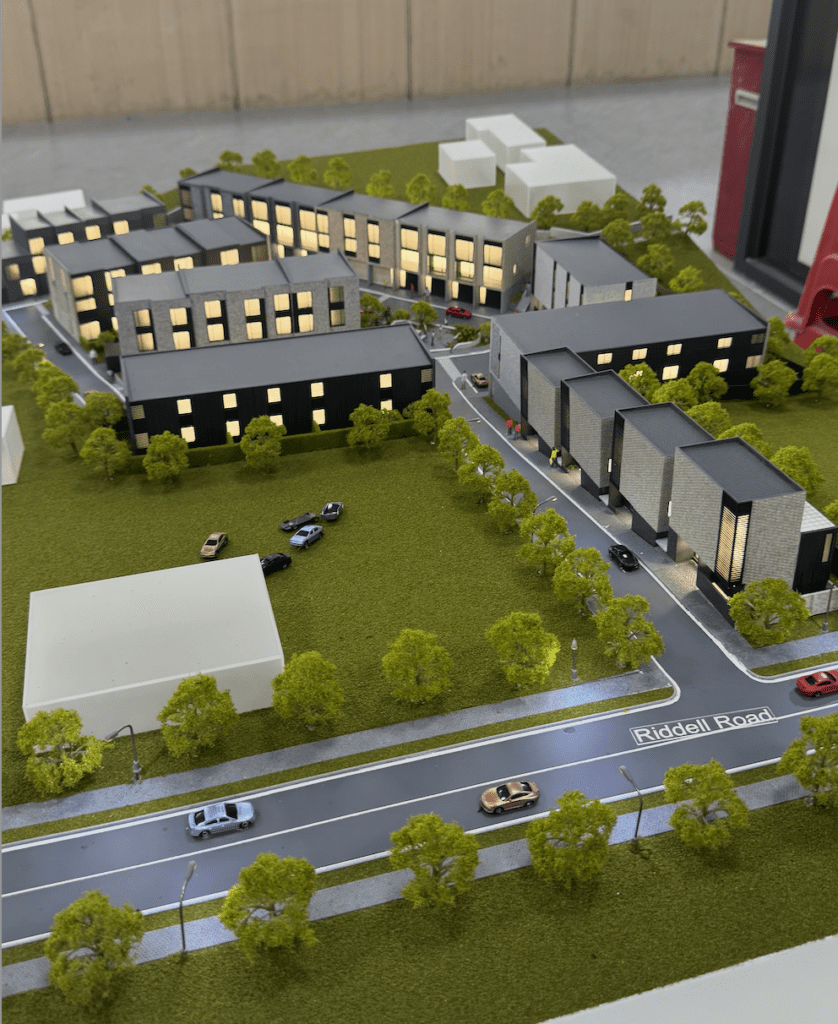
Our updated proposal responds to that vision. It delivers more homes on land that has already been identified for urban growth, while creating a well-designed neighbourhood with quality open spaces, walkable streets and a range of housing choices for people at different stages of life.
We know Queenstown needs more homes, but it also needs better communities. We believe those two goals go hand in hand. This proposal is about creating a neighbourhood that supports families, workers, first-home buyers and future generations, while helping to deliver the transport outcomes the district has been planning for.
We haven't changed direction. We've refined our plans to better reflect Queenstown's future, making the most of a once-in-a-generation opportunity to deliver the kind of community Ladies Mile is intended to become.
How will the sewage and wastewater network cope with the increased number of homes?
The application does not rely on the existing wastewater network remaining unchanged.
Clarke Group's proposal includes a new precinct-wide wastewater rising main connecting to the Southern Corridor wastewater network via the Shotover Bridge, rather than relying on the existing localised network. Clarke Group will fund this infrastructure, with an estimated construction cost of approximately $28 million, before it is vested as public infrastructure and recovered through Development Contribution credits.
More broadly, this proposal forms part of the planned Ladies Mile infrastructure programme. Queenstown Lakes District Council's Long Term Plan identifies approximately $121 million of development-funded infrastructure investment for the Ladies Mile area, including:
- Stormwater: approximately $50.2 million
- Wastewater: approximately $34.2 million
- Water supply: approximately $29.3 million
- Local transport network: approximately $7.1 million
This infrastructure is intended to be funded through development, rather than existing ratepayers, and will not only service new neighbourhoods but also improve the resilience and capacity of infrastructure that benefits the wider community. As older assets are upgraded and new networks are constructed, existing residents will also benefit from increased system capacity and improved long-term reliability.
The programme is already underway. Construction of the first major transport improvements at the Howards Drive intersection has commenced in partnership with NZTA, with further transport and water infrastructure to be delivered alongside future development.
In addition to infrastructure investment, the proposal will also deliver approximately 4.2 hectares of new public parkland, together with walking and cycling connections, stormwater management systems and other community infrastructure as part of an integrated approach to developing Ladies Mile.
SH6/Ladies Mile is already heavily congested. Will your revised design make this significantly worse?
Reducing congestion is one of the key reasons the Ladies Mile Structure Plan promotes higher-density, mixed-use neighbourhoods rather than traditional suburban development.
Overall Ladies Mile has been designed as a complete community, with homes, parks, shops, schools and community facilities located within easy walking and cycling distance. That means some everyday trips may no longer need to be made by car.
Independent transport planning undertaken for the Ladies Mile Structure Plan concluded that medium and higher residential densities are essential to support frequent public transport and reduce reliance on private vehicles. Lower-density development would actually generate more traffic and make it harder to achieve the transport outcomes planned for the corridor.
Development will also be staged alongside transport infrastructure. No more than 287 homes can be occupied until key upgrades, including the signalised Stalker Road intersection, have been completed. Those requirements are proposed as consent conditions, to make sure that infrastructure keeps pace with development.
The application proposes cycling infrastructure as a traffic mitigation measure. Is that realistic in an alpine town?
Cycling isn't being promoted as a replacement for roads. It's one part of a much broader transport strategy that combines road upgrades, public transport, walking and cycling to give people more travel choices.
The planning vision for Ladies Mile has always been to create a complete community where many everyday destinations, such as schools, parks, shops and community facilities are within easy walking or cycling distance. The aim is that short local trips don't always require getting in the car, while buses become a more attractive option for longer journeys.
Cycling infrastructure is therefore about providing choice rather than expecting everyone to ride a bike. Queenstown's growing use of e-bikes has also made cycling practical for many more people and over longer distances than would have been the case a decade ago.
This isn't Clarke Group introducing a new idea. It reflects almost a decade of planning by QLDC, Waka Kotahi and the Way to Go partnership, all of which have identified integrated public and active transport as essential to addressing long-term congestion on SH6. The proposal delivers bus stops, pedestrian crossings, connected walking and cycling routes and secure cycle storage alongside significant road and intersection upgrades. These measures work together to reduce reliance on private vehicles while ensuring residents continue to have full vehicle access when they need it.
Will trees and vegetation be removed to make way for the development?
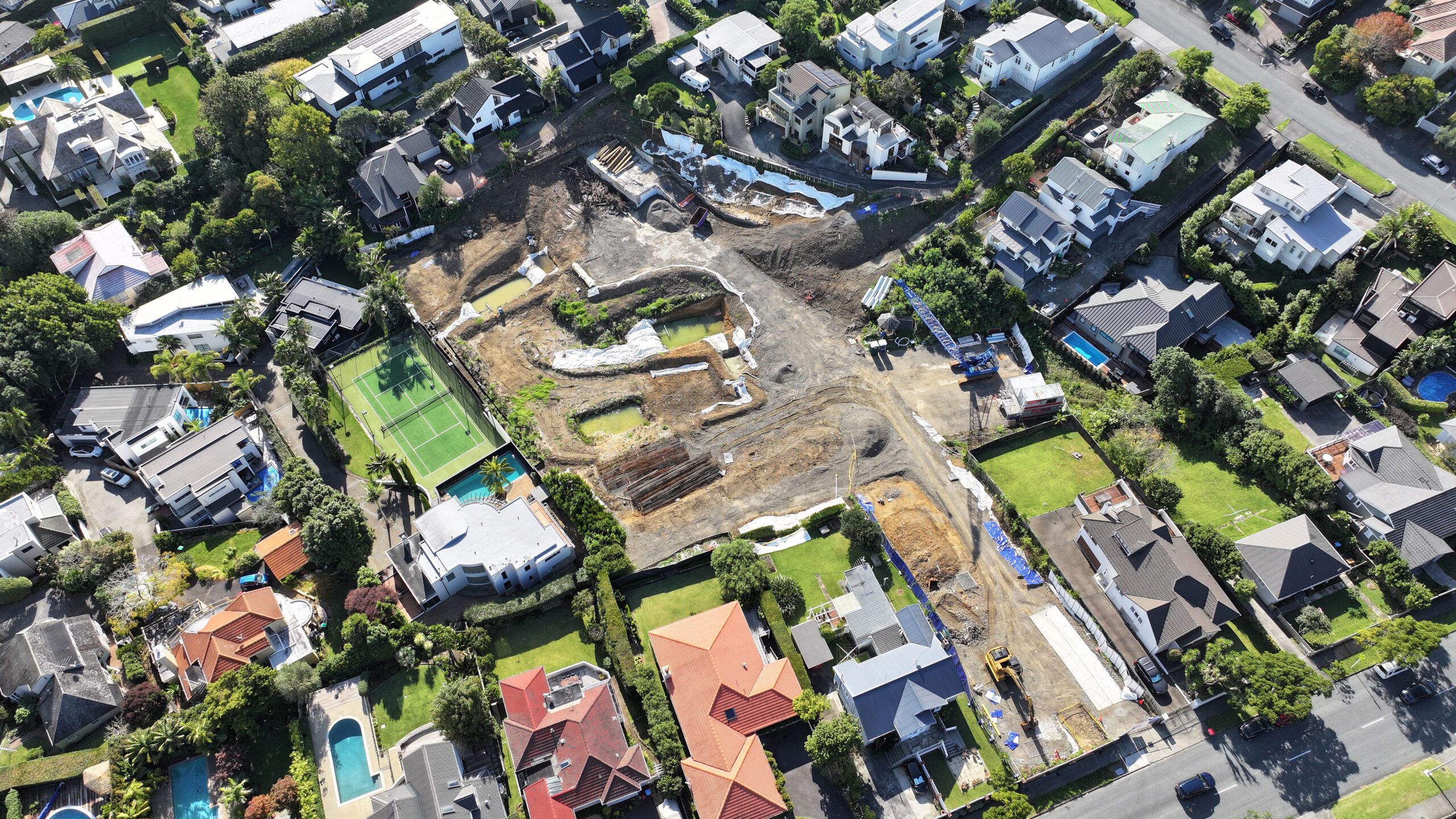
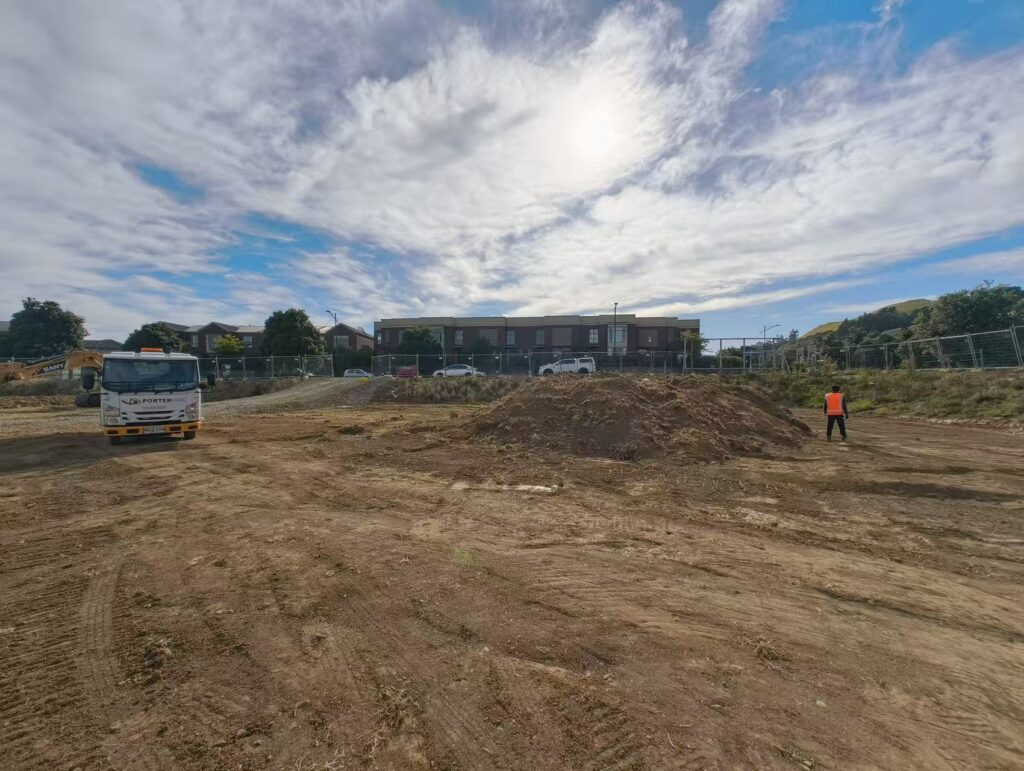
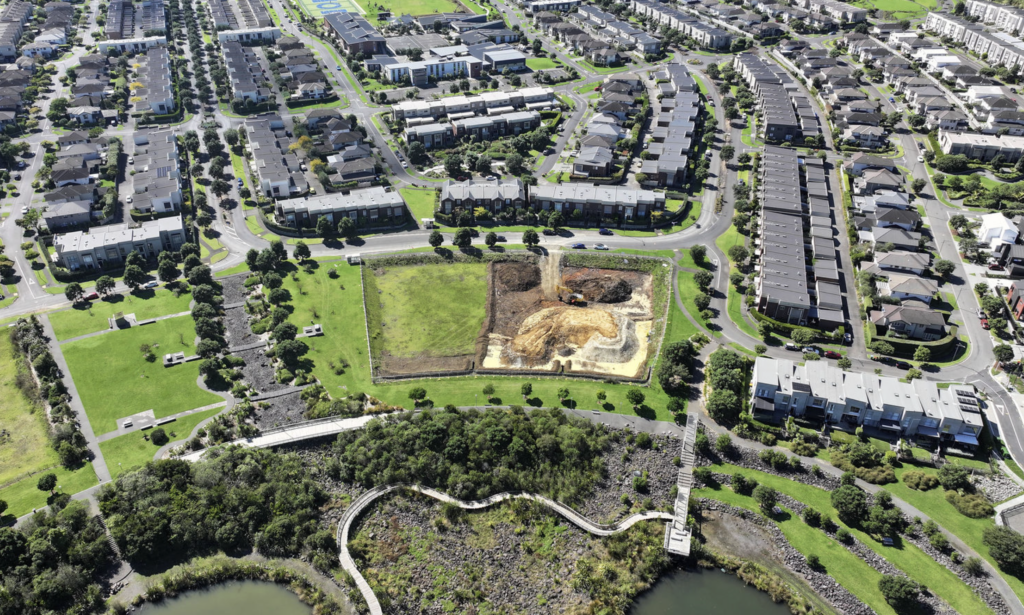
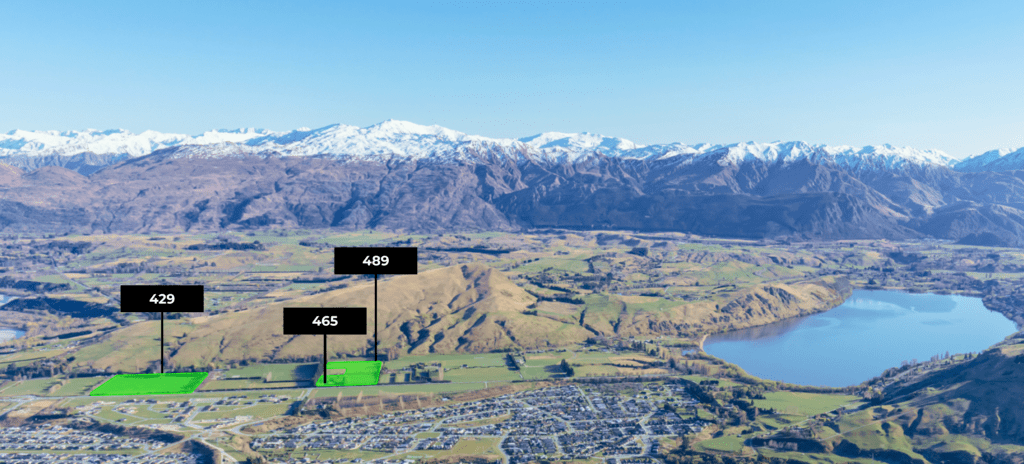
Some existing vegetation at 489 Ladies Mile will need to be removed as the site is prepared for development. This includes a mixture of mature and semi-mature exotic trees, shelter planting and ornamental species that were established during the site's former life as a pet lodge operation. Removing this vegetation is a necessary first step in enabling safe public access, site infrastructure works and future development planning.
We understand that the existing trees are part of what people see when they drive along Ladies Mile today, and we don't take their removal lightly. Preparing the site carefully and responsibly is important to us, and it is the foundation for what comes next.
What will replace the trees and vegetation that are removed?
The landscape vision for Ladies Mile is for a genuinely green neighbourhood, that over time will have significantly more coordinated planting, canopy cover and public green space than currently.
Street tree planting, landscaped parks, green pedestrian connections and a diverse mix of native and climate-appropriate species will be established throughout the precinct, across streets, community spaces and residential frontages. Planting will draw on native trees and shrubs, flowering and seasonal specimen trees, grasses, flaxes, tussocks and groundcovers chosen for their resilience, ecological value and contribution to the character of the neighbourhood.
The same landscape design philosophy guiding the approved 429 Ladies Mile development will shape future planting across 489 Ladies Mile and the wider precinct, ensuring a consistent and cohesive approach. The aim is a lasting landscape that supports biodiversity, provides shade and amenity, and helps create a distinctive sense of place along the Ladies Mile corridor for generations to come.
Why is Clarke Group seeking non-notified status? Shouldn't the community have a say on a development of this scale?
The future of Ladies Mile has been one of the most publicly debated planning projects in Queenstown over the past decade. Many people have contributed time and expertise for community consultation, master planning, public submissions, hearings and independent decision-making. That process involved everyone from local residents and community associations through to Queenstown Lakes District Council, Waka Kotahi, Otago Regional Council and ultimately central government.
The outcome of that process is the Te Pūtahi Ladies Mile planning framework, which specifically provides for higher-density housing and recognises that maximising housing in appropriate locations is a key planning priority. Whether Ladies Mile should become a higher-density urban community has been extensively considered through the public planning process.
Resource consent applications are assessed on the environmental effects they generate, rather than simply the number of homes proposed. Under the Ladies Mile provisions, residential developments that comply with the planning framework are generally anticipated to proceed on a non-notified basis because the effects have already been considered through the zoning process. While our application seeks consent for some design and development matters, those relate to how the neighbourhood is delivered rather than whether higher-density housing is appropriate in this location.
Ultimately, whether this application is publicly notified is a decision for QLDC, applying the legal tests in the Resource Management Act. Council is currently obtaining independent expert advice before making that decision, and Clarke Group welcomes that independent assessment.
Learn More
To learn more about the Ladies Mile masterplan, project vision, infrastructure, and future development, please visit our dedicated project page.


Continue Reading